Litter Disposal Systems
For most cat owners, a sealed refill pail system (the kind with continuous multi-layer film) is the smartest litter disposal choice: it contains odor, cuts down on trips to the trash, and makes scooping quick enough that you actually do it every day. Multi-cat homes should size up to a larger-capacity pail or plan on emptying it more often. The next section walks through the main types and a short buying checklist so you can pick with confidence.
TL;DR:
- Larger-capacity pails or more frequent emptying are necessary for households with multiple cats to prevent odor buildup and manage waste volume.
- Refill-film cartridges require proper twisting and sealing, with inconsistent availability and occasional defects potentially impacting smell control.
- Disposal systems should be placed a few feet from the litter box and paired with concealment furniture to reduce mess and keep odors out of living spaces.
- Routine upkeep, such as wiping the exterior and checking seals, is essential to maintain odor containment and prevent dust accumulation.
- Sealed landfill disposal is generally preferred, with local regulations guiding whether flushing or burial is acceptable to avoid plumbing or environmental issues.
Table of Contents
- Types of litter disposal systems and how they work
- Pros, cons, and common friction points for each system
- How to choose the right system: checklist and red flags
- How The Meow Picks curates setups that make disposal easier
- Setting up litter disposal in multi-cat households and shared spaces
- Keeping disposal systems working: upkeep and common problems
- Disposal rules and environmental considerations you should know
- What the disposal-system industry gets wrong about odor control
- Pairing disposal systems with furniture that actually hides the mess
- Where to read more on hygiene and disposal rules
- Sources
- FAQ
Types of litter disposal systems and how they work
Most litter disposal products fall into a few clear categories, and knowing what each one actually does helps you skip the wrong fit.
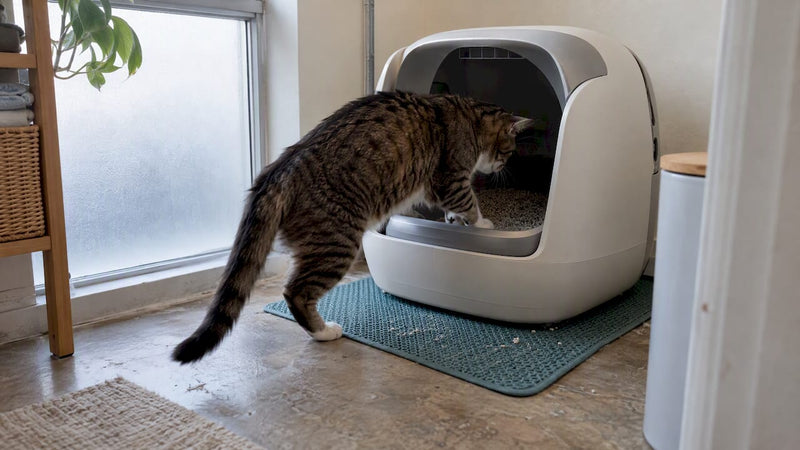
Refill-film pails use a cartridge of multi-layer film that you twist to seal each clump inside its own little pouch, similar to a diaper pail. Sealed pails without film rely on a tight-fitting lid, a gasket, or an activated carbon filter to trap smell instead. Basic bag-and-bin setups are simpler: you scoop into a grocery bag or liner, tie it, and toss it, which costs nothing extra but offers no odor barrier between scoops. Flushing is technically possible with some litters, but it carries real plumbing and water-safety cautions, which we cover below.
Capacity varies by household. A single cat’s waste typically fills a standard refill cartridge over one to two weeks, while two or more cats will burn through the same refill in days rather than weeks, so plan your refill purchases accordingly.
A few practical setup notes make any of these systems work better:
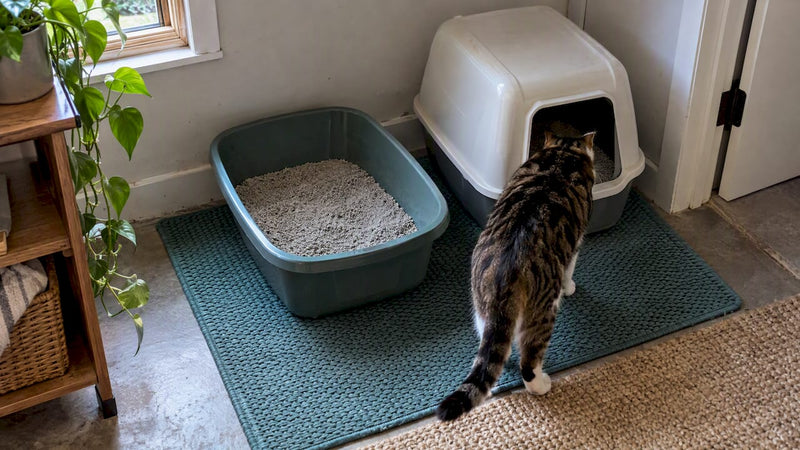
- Place the pail a few feet from the litter box rather than flush against it, since litter dust tends to collect on nearby surfaces.
- Keep a spare refill cartridge on hand so you never revert to a loose garbage bag mid-week.
- Wipe down the exterior weekly to stop dust from migrating onto floors or furniture.
- Pair the disposal unit with a litter box collection that fits your space, since the two work as a system, not separate purchases.
If you want the fuller picture of how furniture and disposal setups work together, our modern cat furniture guide breaks down concealment options that pair well with any of these pails.
Pros, cons, and common friction points for each system
Every disposal system asks you to trade something for its convenience, and the trade-offs show up fast once you live with the product.
Sealed refill pails win on odor control and containment, but the film cartridges cost more over time than plain trash bags, and availability of refills can be inconsistent depending on where you shop. Simple covered bins are cheap and require no proprietary refills, but they do little to actually seal smell in, so you are relying entirely on frequent emptying. Bag-and-bin scooping costs the least upfront and needs no learning curve, but it offers the weakest odor barrier of the bunch and means more trips to the outdoor trash.
Common friction points reported by owners include:
- A learning curve for twisting and sealing the film correctly on the first few refill changes.
- Dust buildup on the pail’s exterior when it sits too close to the litter box.
- Occasional reports of defective refill cartridges that fail to seal properly.
Daily removal of waste matters for more than odor. The CDC recommends changing litter daily because Toxoplasma parasites shed in cat feces typically become infectious only after one to five days, so scooping promptly limits exposure risk.
Pro Tip: Wipe the pail exterior and check the hinge alignment every time you change a refill; a loose seal is often the real reason odor escapes, not the cartridge itself.
How to choose the right system: checklist and red flags
Start with your household, not the product page. A single cat with a nearby trash room has different needs than three cats sharing a small apartment.
Before you buy, prioritize in this order:
- Household size: more cats mean faster refill turnover, so size the pail’s capacity to your cat count, not just the box.
- Refill logistics: confirm the cartridge or bag refills are easy to find and reasonably priced before you commit to a system.
- Footprint: measure the space next to your litter box or laundry area so the pail actually fits without crowding foot traffic.
- Materials and build: check the listing for the lid material, hinge type, and any stated capacity, and skip anything that omits basic specs.
- Return policy: look for a clear window to return or exchange the unit if the seal fails or the size is wrong.
A few red flags should stop you before checkout:
- No listed way to buy replacement refills, which turns a good system into a dead end within weeks.
- A vague or missing return policy on the product page.
- A hinge or lid described as “adjustable” with no material or weight detail given.
- Reviews repeatedly mentioning a cartridge that arrived already torn or misaligned.
How The Meow Picks curates setups that make disposal easier
A team curates a marketplace of designer cat furniture, tech, and accessories from independent makers, with efforts supporting cat rescue. That curation extends naturally into litter setup advice, since concealment furniture and disposal systems solve the same underlying problem: keeping mess and odor out of your living space.
A few setup habits make any disposal system work harder for you:
- Place the pail where airflow is decent, away from direct sun that can warm and intensify odor.
- Pair it with concealed litter furniture, like an Apawtment Cat House, to keep the box itself out of view.
- Wipe surfaces weekly rather than waiting for visible dust to build up.
- In multi-cat homes, consider zoning: furniture like The Canyon helps separate resting and play areas from waste zones.
For a broader look at concealment options, our 15 best modern cat furniture picks covers pieces designed to hide litter areas without looking clinical.
Setting up litter disposal in multi-cat households and shared spaces
Homes with several cats, or businesses like boarding facilities and shelters, need a different setup logic than a single-cat apartment. Capacity planning comes first: a pail sized for one cat will fill within days when three or more cats share it, so choose a larger-capacity unit or plan to empty it more frequently.
Placement matters just as much as capacity. In shared or commercial spaces, disposal units should sit near a ventilated area, away from food prep or client-facing zones, with enough clearance for scooping tools and spare refill storage. A simple shelf or small cabinet nearby keeps extra cartridges or bags within reach, which cuts down on delays that let odor build.
Multiple units are often more practical than one oversized pail once you are managing several litter boxes. Spreading disposal points across a facility shortens the distance staff or owners need to carry waste, which in practice means it gets done more consistently. Labeling each unit’s refill type also prevents mismatched cartridges from being ordered or swapped by mistake.
Whether you are running a single foster room or a multi-cat household, the setup principle stays the same: match the system’s capacity to actual cat count, not to the space you have available, since undersized units simply move the odor problem from the box to the pail.

Keeping disposal systems working: upkeep and common problems
A disposal pail is only as good as its seal, so routine upkeep matters more than the initial purchase decision. Check the gasket or hinge every time you change a refill, since a slightly misaligned lid is one of the most common reasons odor escapes even when the cartridge itself is intact.

Dust is the other recurring issue. Fine litter particles settle on the exterior of any pail placed close to the box, and in commercial or multi-unit settings, that buildup accumulates faster simply because more cats are using the system. A quick wipe down on a set schedule, rather than waiting until dust is visible, keeps the unit looking and smelling clean.
Refill cartridges occasionally arrive misaligned or torn, an issue some consumer reviews report with defective refill cartridges affecting perceived value even when odor control otherwise performs well. Keeping a spare cartridge on hand avoids a gap in service while you sort out a replacement.
In higher-traffic settings, track how often each unit needs emptying rather than assuming a fixed schedule. Usage varies by cat count and litter type, so a facility running several units may find some need daily attention while others stretch longer.
Disposal rules and environmental considerations you should know
Where and how you dispose of used litter is not purely a personal preference. The EPA’s guidance on pet waste recommends sealing waste in a plastic bag and placing it in household garbage bound for a landfill, or flushing to a sewage system only where local rules allow it. Septic systems and many municipal sewer systems are not designed to handle clumping litter, so check local guidance before flushing anything.
Sealed, landfill-bound disposal is the more broadly acceptable route across most areas, since it avoids the risk of clogging pipes or introducing pathogens into wastewater systems not equipped to treat them. The EPA bulletin also outlines burial as an option in some circumstances, though local rules should guide that decision too, since acceptability varies by jurisdiction.
For businesses managing higher waste volumes, such as boarding facilities or shelters, checking local solid waste regulations before setting a disposal routine avoids problems down the line. Rules on sealed-bag disposal, composting, or wastewater discharge differ by municipality, and what is standard practice in one area may not be permitted in another. Building your disposal routine around sealed, landfill-destined bags remains the simplest way to stay compliant while you confirm local specifics.
What the disposal-system industry gets wrong about odor control
Most marketing around litter disposal systems treats odor control as a materials problem: better film, tighter seals, a fancier gasket. That framing misses the real lever, which is behavior. A system’s biggest advantage is not its seal technology, it is whether it makes scooping fast enough that you actually do it every day instead of putting it off until the smell forces your hand.
The conventional advice tells you to chase the tightest seal or the most layers of film. We think you should chase friction reduction instead: pick whatever system sits closest to your litter box, takes the fewest steps to use, and needs the least mental effort at 11 PM when you really do not want to deal with it. A mediocre seal used daily beats a premium seal used twice a week.
If you take one thing from this guide, let it be this: buy for your own habits, not for the spec sheet. The best disposal system is the one that turns scooping into a two-second habit rather than a chore you postpone.
— TheMeowPicks Team
Pairing disposal systems with furniture that actually hides the mess
A disposal pail solves the smell coming out of the litter. Furniture solves the mess and visibility around it, and the two work best together. Curated pieces that conceal a litter box or define separate zones for rest and play cut down on how much of your living space feels like a litter station, which matters just as much as the pail itself.

A few catalog pieces worth considering if you are setting up or refreshing your space:
- The Apawtment Cat House conceals a litter box inside furniture designed to look at home in a living room.
- The Canyon gives multi-cat households separate zones, easing pressure on a single litter and disposal setup.
- The Cat Wall Maze keeps climbing and play space off the floor and away from litter areas.
- The Perla Cat Cave offers a quiet retreat spot away from the litter zone.
- The Pannello Scratch Panel protects nearby furniture from tracked litter and scratching.
- The Puffball Cat Bed establishes a clean resting spot distinct from the waste area.
- The Grotto fits compact rooms where a disposal pail and litter box already take up floor space.
- The Gardens brings a design-forward option for owners who want their cat’s setup to blend into the room rather than stand out.
Browse the full catalog to see current furniture, tech, and accessories, and check out our odor control litter boxes picks if you are still choosing the box itself.
Where to read more on hygiene and disposal rules
For hygiene guidance, the CDC’s pages on preventing toxoplasmosis and how it spreads explain why daily litter removal matters. For disposal rules, the EPA’s pet waste bulletin outlines sealed-bag and sewage options. For real-world usability notes, see this Litter Genie review.
Sources
- Preventing Toxoplasmosis | Parasites - Toxoplasmosis (Toxoplasma infection) | CDC
- Source Water Protection Practices Bulletin Managing Pet and Wildlife Waste to Prevent Contamination of Drinking Water
FAQ
How do most people dispose of cat litter?
Most people scoop waste into a sealed disposal pail, a tied trash bag, or a covered bin, then place it in household garbage bound for a landfill. The EPA recommends sealing pet waste in a plastic bag for trash disposal, or flushing only where local sewage rules allow it.
What are people saying about the Litter Genie litter disposal system?
Reviewers generally find that dedicated disposal pails make daily scooping easier and improve consistency, since sealing waste in film feels quicker than a full trash trip. Common complaints include a learning curve for changing refill cartridges and dust buildup on the pail’s exterior over time.
What are the downsides of using an automated litter box?
Automated litter boxes reduce manual scooping but still require regular emptying of a waste receptacle, plus routine cleaning of sensors or rakes to keep them working properly. They also tend to cost more upfront than a manual box and disposal pail combination, and mechanical parts can occasionally malfunction.
Is it illegal to throw away cat litter?
Throwing away sealed, bagged cat litter with household trash is standard and accepted in most areas, but flushing litter down the toilet is discouraged and may violate local sewage or septic rules. Check your municipality’s guidance, since the EPA advises confirming local rules before flushing any pet waste.