Cat Car Travel Essentials
Pack a sturdy carrier, familiar bedding, food and water for two extra days, a travel litter setup, a harness with ID, a small first-aid kit, and a calming spray, then follow one rule above all others: your cat stays inside a secured carrier every second the car is moving, and never gets left alone in a parked vehicle. Everything else in this guide builds on that single rule.
TL;DR:
- Securing the carrier with a seat belt in the backseat facing forward minimizes stress and prevents injury during sudden stops or turns.
- Using a hard-sided carrier slightly larger than the cat ensures comfort while preventing excessive internal space that could cause tumbling.
- Introducing the carrier gradually with familiar bedding and short practice drives helps reduce anxiety and improves travel tolerance.
- Packing familiar bedding, pheromone spray, and non-scented litter can significantly decrease travel stress and prevent car sickness.
- Planning stops every two to three hours for water, litter, and stress checks is essential to manage discomfort and avoid accidents during long trips.
Table of Contents
- What Should Be On Your Cat Car Travel Essentials List?
- Which Carrier Is Actually Right For Road Trips?
- Where Should the Carrier Go and How Do You Secure It?
- How Do You Keep a Cat Calm and Prevent Car Sickness?
- How Do You Handle Litter Breaks and Cleanup on the Road?
- What Paperwork and Health Prep Do You Need Before Departure?
- The Quick-Grab Packing Checklist
- Why We Pack for Cats the Way We Do
- Travel Gear That Matches This Checklist
- Sources
- FAQ
What Should Be On Your Cat Car Travel Essentials List?
A good packing list saves you from the 2 a.m. panic search for a litter scoop at a rest stop. Group your items by function and you’ll pack faster and forget less.
Carrier and securing gear
- Hard sided or well ventilated carrier sized for your cat
- Seatbelt strap or carrier-specific tether
- A washable carrier pad or mat for the base
Food and water
- Your cat’s regular dry or wet food, packed for extra days beyond your planned travel time in case of delays, according to PackedPaws
- Collapsible bowls
- Bottled water from home, since a sudden change in water source can upset a sensitive stomach
Litter and bathroom supplies
- Portable or disposable litter tray
- A bag of your cat’s usual litter (not a travel-only brand)
- Small scoop, pee pads, and waste bags
Identification and safety
- Harness and leash, even if your cat rides inside a carrier the whole trip
- Collar with a current ID tag
- Confirmation that your cat’s microchip is registered and up to date
- Recent photos on your phone, in case your cat ever gets loose
Comfort and cleanup
- A small first-aid kit with gauze, a pet-safe antiseptic, and your vet’s number
- Stain and odor remover, plus wipes
- A blanket or towel that smells like home
- Feline pheromone spray and a few high-value treats
That’s the full kit. The next sections walk through how to use each piece correctly, starting with the item that matters most: the carrier itself.
Which Carrier Is Actually Right For Road Trips?
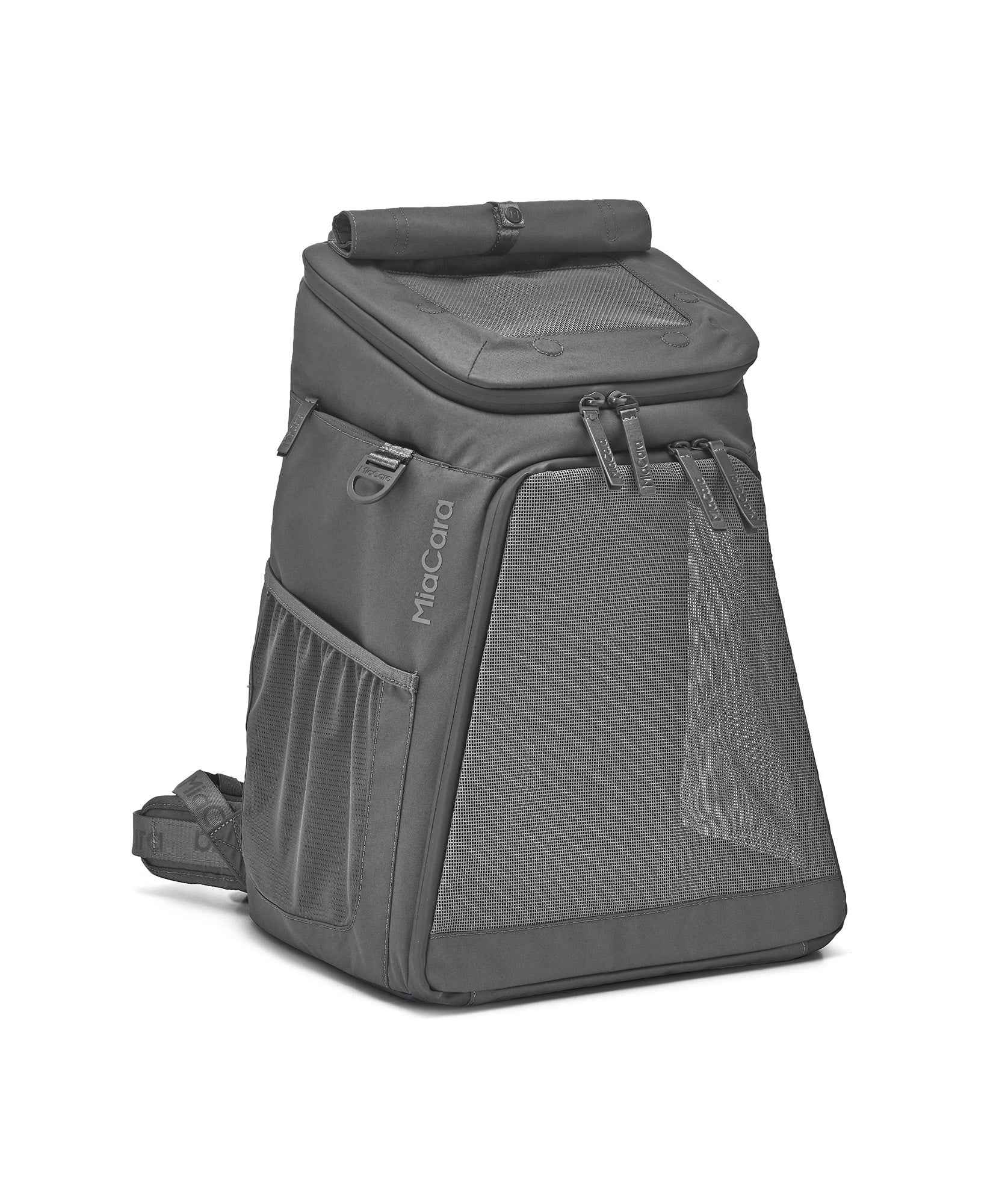
Hard-sided carriers are the better call for road trips because they hold up in a sudden stop and clean up fast after an accident, a point Roamapets makes clear for anything longer than a quick errand. A soft carrier or a backpack style like the Zaino Cat Backpack works fine for a short hop across town or for a cat who’s already a relaxed traveler, but for a multi-hour drive, plastic and mesh paneling beats fabric every time.
Size matters more than most owners think. Your cat needs enough room to sit up, stand, and turn around completely, but a carrier with too much extra space lets your cat slide and tumble during braking or turns. If you’re unsure how to measure correctly, our guide to airline carrier sizing walks through the exact process, and the same math applies to car travel.
Before the trip, get the carrier out of the closet and into daily life:
- Leave it open in a room your cat already uses, days or ideally weeks ahead of travel
- Add bedding that already smells like your cat or your home
- Run a few short drives around the block, then gradually extend the distance
Short, incremental practice drives paired with treats or praise are the most reliable way to get a cat comfortable with the car, according to Roamapets. Skipping this step is the most common reason a first road trip turns into a yowling, clawing mess.
Top-loading carriers make it easier to lift a nervous cat out without dragging them through a front door, while front-loading carriers are simpler to buckle into a seatbelt. Weigh both against how your specific cat behaves before you buy.
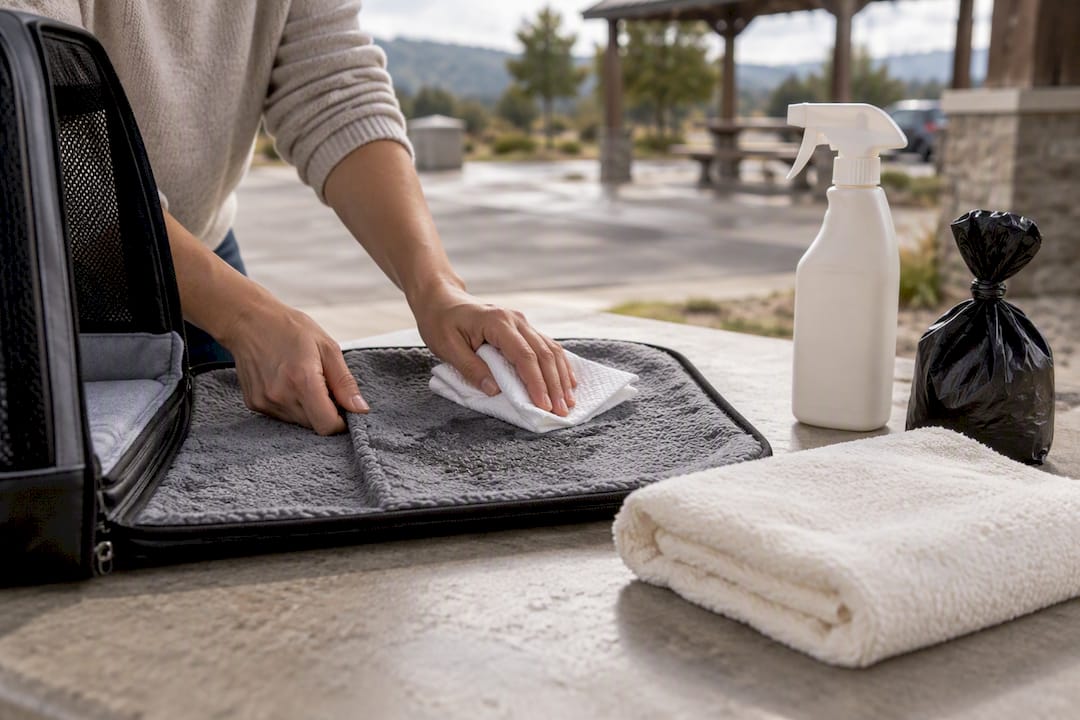
Pro Tip: Wipe down a hard carrier with an enzyme cleaner after any accident, not just soap and water. Enzyme cleaners break down the odor compounds that regular cleaners leave behind, and a lingering smell is often what makes a cat refuse to go back inside next time.
For a side by side breakdown of the tradeoffs, our comparison of soft and hard carriers covers ventilation, weight, and cleaning differences in more detail.
Where Should the Carrier Go and How Do You Secure It?
The backseat is the safest spot for a carrier, buckled in with a seat belt and, where possible, facing forward to cut down on the visual stimulation that spikes anxiety, a setup Catster’s vet-reviewed guide recommends for road trips of any length. Follow these steps every time you load up:
- Place the carrier flat on the backseat, never on a seat that reclines or angles.
- Run the seat belt through the carrier’s built-in strap channel, or use a carrier-specific tether if the model doesn’t have one.
- Pull the belt tight enough that the carrier can’t slide side to side or tip forward under braking.
- Check the latch or zipper one more time before you pull out of the driveway.
- For multiple cats, use a separate carrier for each animal and secure every carrier individually. Two cats in one carrier means twice the stress and twice the chance of a fight when the car hits a bump.
A loose carrier isn’t just uncomfortable, it’s a genuine hazard. In a hard stop, an unsecured carrier becomes a projectile, and a cat sliding inside it can be injured even at low speeds. Securing the carrier with a seat belt does double duty: it stabilizes the box and it limits the sudden jostling that ramps up a cat’s anxiety, according to Catster.
Never let your cat ride loose in the car, and never on your lap, no matter how calm they seem. A startled cat can end up under your feet or against the pedals in seconds. And never, under any circumstance, leave your cat alone in a parked car, even with the windows cracked. Temperatures inside a car climb fast, and a locked door means you can’t get back in quickly if something goes wrong.
How Do You Keep a Cat Calm and Prevent Car Sickness?
Desensitization is the single biggest factor in whether your cat tolerates or dreads the car, and it starts well before travel day. Give your cat access to the open carrier at home for at least a week, then add short five-minute drives, building up the distance and duration gradually while rewarding calm behavior with treats.
A few supporting tools make the process easier:
- Pheromone spray. A synthetic feline pheromone spray, applied to bedding about 15 minutes before loading the carrier, can take the edge off travel stress for many cats.
- Familiar bedding. Bringing bedding and toys that already carry your home’s scent helps reduce travel stress more than anything bought specifically for the trip, per Hill’s Pet.
- A light cover. Draping a thin blanket over part of the carrier can cut down on overstimulation and ease car sickness for some cats, according to Anvoya.
Feeding timing matters too. Skip a full meal in the two to three hours before departure to reduce the odds of vomiting, then offer a small amount of wet food or water once you’re stopped and your cat seems settled. A cat who won’t drink from a travel bowl will sometimes take water off a fingertip or a syringe instead.
If your vet prescribes an anti-anxiety or anti-nausea medication for travel, test it at home first, ideally a few days ahead, so you know exactly how your cat reacts before you’re relying on it mid-trip, a step Gigapaw specifically recommends before any road trip.
Pro Tip: If your cat drools heavily or hides in the back of the carrier during even short practice drives, that’s a sign to slow the desensitization timeline down, not speed it up. Pushing through fear responses tends to make the next trip harder, not easier.
How Do You Handle Litter Breaks and Cleanup on the Road?
A collapsible or disposable litter tray takes up almost no trunk space and saves you from an emergency accident cleanup at a gas station. Pack your cat’s usual litter rather than a travel-branded alternative, since cats respond better to a familiar texture and smell when it’s time to actually use the box, a pattern Hill’s Pet confirms across their travel guidance.
Stock these items together in one bag so you’re not digging through the whole car at a rest stop:
- Portable litter tray and a small bag of home litter
- Scoop and a roll of waste bags
- Pee pads to line the carrier floor or the car seat underneath it
- An enzyme-based odor spray for quick accident cleanup
Plan on stopping every two to three hours to offer water, check on stress levels, and give your cat a chance to use the litter box, following the pacing Hill’s Pet recommends for longer drives. At each stop, keep every car door closed before you open the carrier. Set the litter tray on the floor of the car itself rather than outside, since an open parking lot is an easy place for a spooked cat to slip away. If you want your cat to step outside for fresh air, put the harness and leash on first, every time, with no exceptions.
Accidents happen even with a good routine. Blot up any liquid immediately, treat the spot with an enzyme cleaner, and swap out a soiled pad or towel rather than trying to mask the smell with anything scented.
What Paperwork and Health Prep Do You Need Before Departure?
A pre-trip vet visit covers three things at once: overall health, microchip registration status, and a conversation about whether your cat needs anti-nausea or anti-anxiety medication for the drive, Catster’s guide notes as a standard part of road trip prep. Book this appointment at least a week or two before you leave, so there’s time to fill a prescription if one gets recommended.
Pack both printed and digital copies of the following:
- Rabies vaccination certificate
- General vaccination records
- Microchip number and registry contact information
- Recent, clear photos of your cat
- Your regular vet’s phone number and, if traveling far, the number of a 24-hour emergency vet along your route
A pet-focused telemedicine app is worth downloading before you leave, as a backup for questions that come up between stops. If your cat is on prescription food or medication, pack more than you think you’ll need. Delays happen, and running out two states from home is a problem you can avoid with an extra day or two of supply.
The Quick-Grab Packing Checklist
Print this or screenshot it before you load the car. It’s organized so the things you’ll need mid-drive stay within arm’s reach in the front seat, not buried in the trunk.
- Safety: carrier, seatbelt strap or tether, harness and leash, ID tag
- Comfort: familiar blanket or bedding, pheromone spray, a couple of favorite toys
- Food and water: regular food (packed for two extra days), bottled water, collapsible bowls
- Hygiene: portable litter tray, home litter, scoop, waste bags, pee pads
- Cleanup: enzyme cleaner, wipes, paper towels
- Health and paperwork: first-aid kit, vaccination and microchip records, vet contact list, any prescribed medication (tested at home first)
- Extras: recent photos of your cat, spare collar or leash, a small towel for wiping paws at outdoor breaks
Keep the litter tray, waste bags, and water within reach of the passenger seat so a pit stop takes two minutes instead of ten. Everything else can ride in the trunk or cargo area, sorted into one bag per category so you’re never rummaging through loose items at a rest stop with an anxious cat in tow.
Why We Pack for Cats the Way We Do
Curating travel gear for cats comes down to three questions we ask about every product before it earns a spot in our catalog: does it clean up easily, does it actually fit inside a standard carrier or backseat setup, and does it hold up to a cat who’s stressed enough to scratch or claw at it. Design that looks good in photos but falls apart after one accident isn’t worth a listing.
Not every cat is a road trip cat, and that’s worth saying plainly. A cat with a history of severe carrier anxiety, an older cat with mobility issues, or a cat recovering from illness may do better staying home with a sitter than riding along for a long haul. The desensitization steps in this guide help most cats adapt, but if your cat is still panicking after weeks of gradual practice, that’s useful information, not a failure on your part.
— TheMeowPicks Team
Travel Gear That Matches This Checklist
Once you’ve got the checklist down, the gear you choose either makes each step easier or adds one more thing to fight with at a rest stop. The Meow Picks exists for exactly that gap: instead of hunting through generic pet store aisles for something that fits a carrier correctly, you get a small, curated selection already vetted for fit and cleanability, with part of every order going to cat rescue.
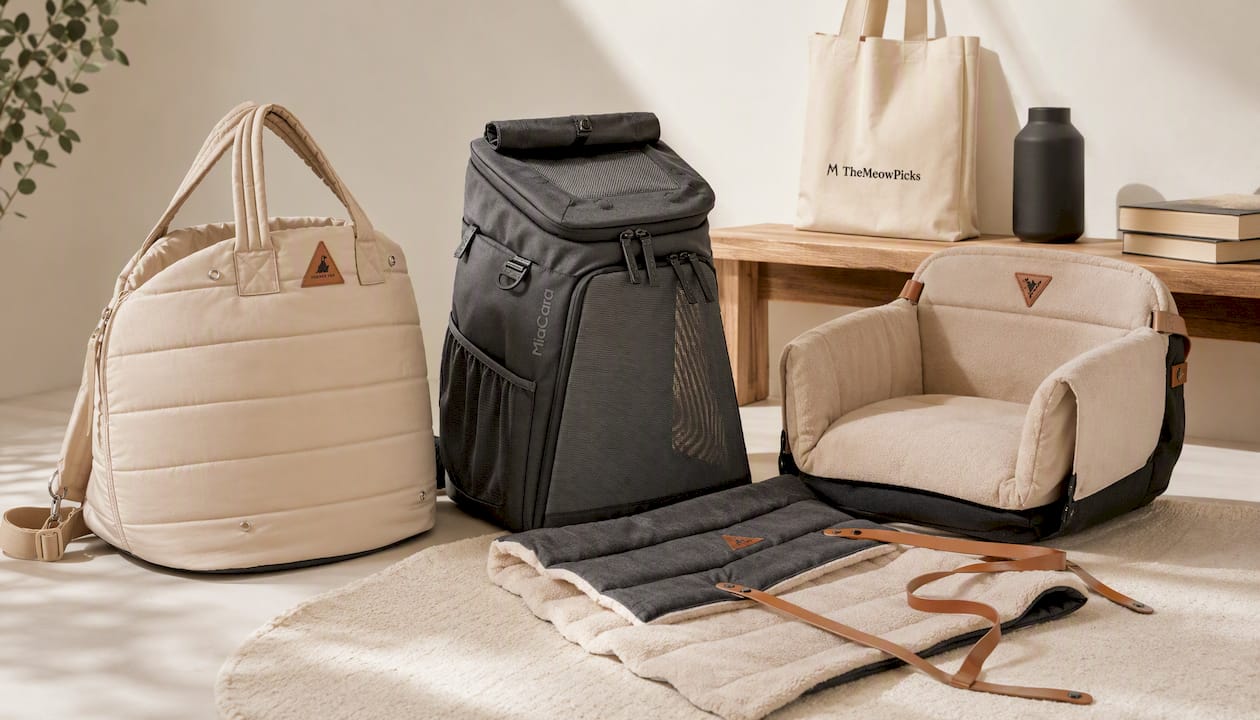
The Nooee Jackson Travel Cat Mat is built for exactly the bedding role this guide keeps coming back to: something familiar and washable that lines a carrier or car seat without adding bulk. If you’re setting up a more structured spot for your cat in the backseat, the Nooee Lola Cat Car Seat gives you a way to position and secure a carrier or mat so it doesn’t slide during turns or stops. And for the short transfers and supervised outdoor breaks this checklist covers, the Zaino Cat Backpack offers a secure alternative to a leash-and-harness walk across a rest stop parking lot.
Browse the full range of travel and lifestyle gear on The Meow Picks to build out the rest of your kit before your next trip.
Sources
- How to Take a Road Trip With a Cat: 10 Vet-Reviewed Tips - Catster
- Cat travel checklist for vacationing with your cat | Hill’s Pet
- Long-Distance Road Trips With Cats: A Vet Tech’s 2026 Survival Guide - Roamapets
- PackedPaws cat travel checklist
FAQ
What Is the 3-3-3 Rule for Cats?
The 3-3-3 rule is a common guideline for helping a cat settle into a new environment: roughly three days to decompress and feel overwhelmed, three weeks to start relaxing into a routine, and three months to feel fully at home. It’s often applied after adoption or a move, and it’s a useful reference point if your road trip ends in a new home rather than a round trip.
What Should You Give a Cat for Car Travel?
Pack your cat’s regular food and bottled water, a carrier lined with familiar bedding, a portable litter tray with home litter, and a pheromone spray to ease anxiety. Skip a full meal in the two to three hours before departure to lower the odds of car sickness, and offer small amounts of food or water once you’re stopped.
What Are the Must-Haves for Traveling With a Cat?
The non-negotiables are a properly sized, secured carrier, food and water packed for at least two extra days beyond your travel time as PackedPaws recommends, a travel litter setup, a harness with current ID, and a first-aid kit. A cat travel checklist built around those categories covers nearly every scenario you’ll run into on the road.
What Is the Best Way to Travel With a Cat in a Car?
Secure a properly sized carrier in the backseat with a seat belt, keep your cat inside it the entire time the car is moving, and stop every two to three hours for water, litter breaks, and a stress check, following the pacing Hill’s Pet recommends. Products like the Nooee Lola Cat Car Seat can help keep that setup stable across a long drive.