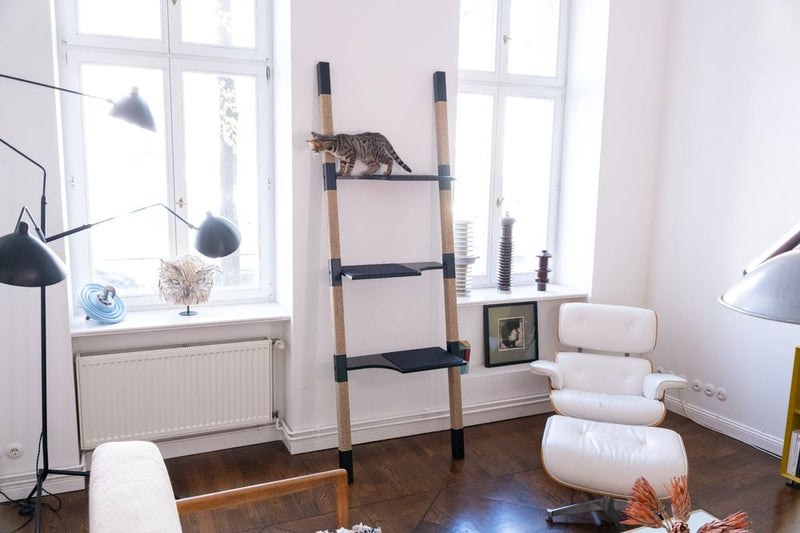
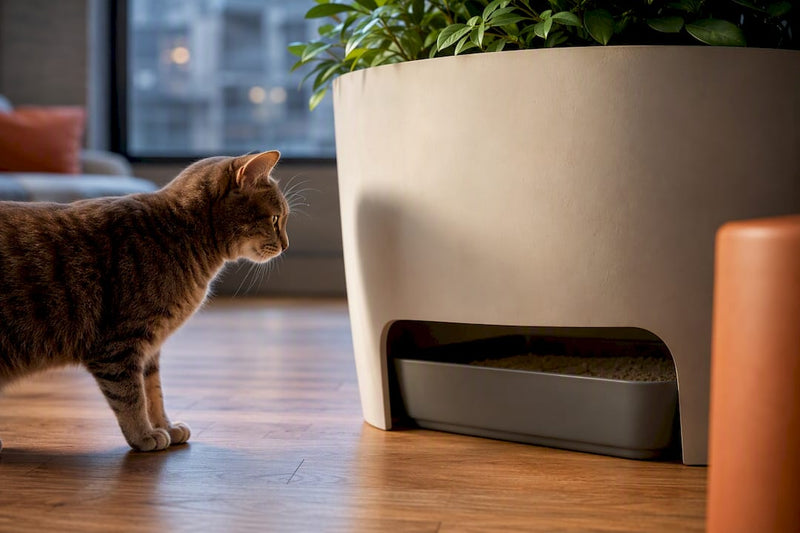
The single most effective fix for a multi-cat home is spreading resources across separate zones and giving every cat at least two independent routes to the spots they want. Add one duplicate water bowl, break one long sightline between rooms, and build a second route up to a high perch this week. Some cat furniture catalogs feature pieces built for this kind of layout. This zone approach is designed around it.
TL;DR:
- Providing at least two separate zones for resources and routes reduces territorial disputes among multiple cats and helps prevent guarding behaviors.
- Building a vertical system with shelves and bridges across three layers—floor, mid, and high zones—creates more safe retreats and accessible pathways for all cats.
- Spreading litter boxes across different areas with one extra per cat on separate zones minimizes guarding and encourages use by all cats.
- Using furniture and decor to break long sightlines and narrow corridors decreases stress triggers linked to anxiety and hiding.
- Selecting multi-entry cat trees and stable, wall-anchored furniture at matching heights supports balanced resting spots and reduces dominance conflicts.
Table of Contents
- How Do You Set Up a Multi Cat Furniture Layout?
- What’s the Right Way to Design a Vertical Cat System?
- How Do You Stop Cats From Blocking Each Other’s Paths?
- Which Furniture Pieces Actually Work for Two or More Cats?
- What Do Sample Layouts Look Like Room by Room?
- How Should You Install and Maintain a Multi-Cat System?
- Why Behavior-First Design Actually Matters Here
- Product Picks That Fit These Layout Roles
- Sources
- FAQ
How Do You Set Up a Multi Cat Furniture Layout?
A workable multi-cat furniture layout comes down to four moves done in order. Skip one and the whole system tends to collapse into one cat guarding the good spots while another hides under the bed.
- Duplicate the essentials. Litter, water, food, beds, and scratching surfaces each need more than one location, spread across different zones rather than clustered in one room.
- Build two routes to everywhere. Every climbing column should connect to at least one other path, so a cat never has to backtrack past a rival to get down.
- Match perch heights. Several resting spots at the same elevation stop one cat from claiming “the top” and controlling the whole tower.
- Break sightlines and secure furniture. Angle shelves so cats cannot stare down a long hallway at each other, and anchor anything tall to a wall stud.
Pro Tip: Start with the cheapest fix first. A second water station in a quiet corner often calms tension faster than any new tower, and it costs nothing to test. Small additions like an extra resting spot or a second scratching post in a different room tend to produce fast, visible improvements in multi-cat tension.
What’s the Right Way to Design a Vertical Cat System?
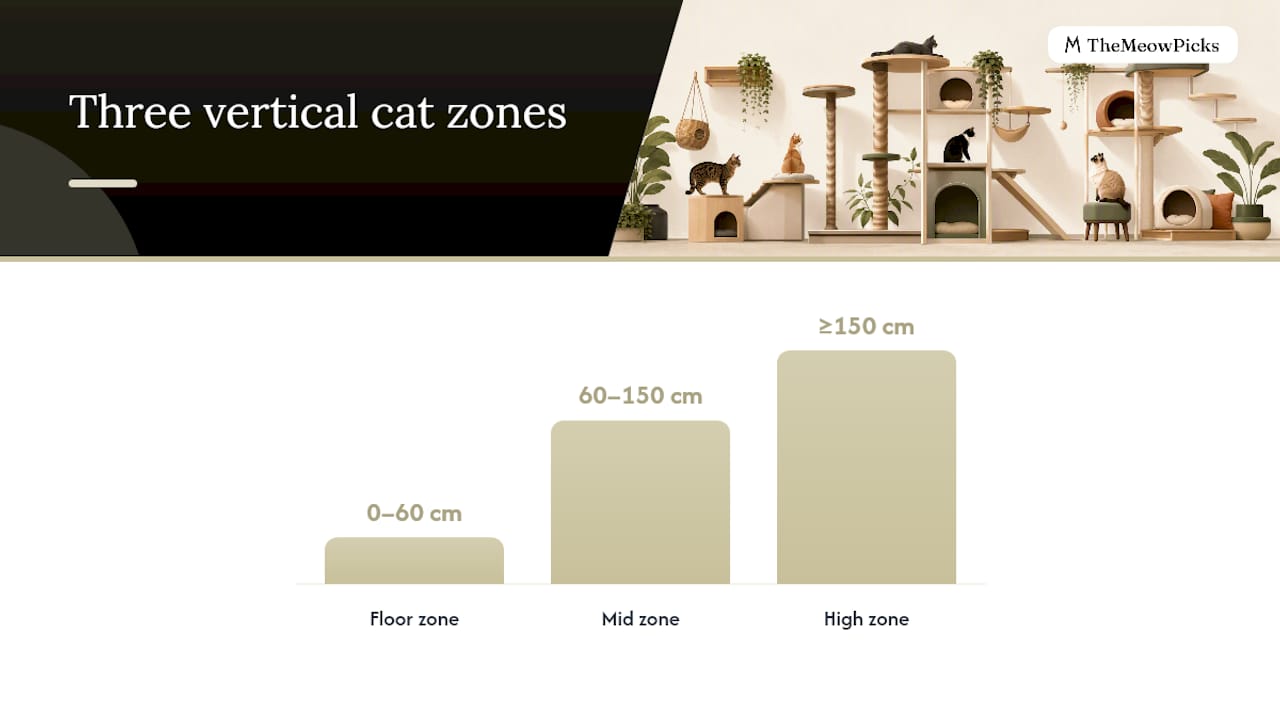
Cats read a room in three layers. Building for all three is what separates a random collection of shelves from an actual system multiple cats will use without conflict.
The floor zone (roughly 0 to 60 cm) covers beds, litter, and low scratchers, the ground-level traffic that every cat passes through daily. The mid zone (60 to 150 cm) is where window perches, mid-height shelves, and cat trees live, the layer most cats spend the bulk of their day in. The high zone (150 cm and above) is the retreat layer, the place a nervous or lower-ranking cat goes to watch the room without being cornered.
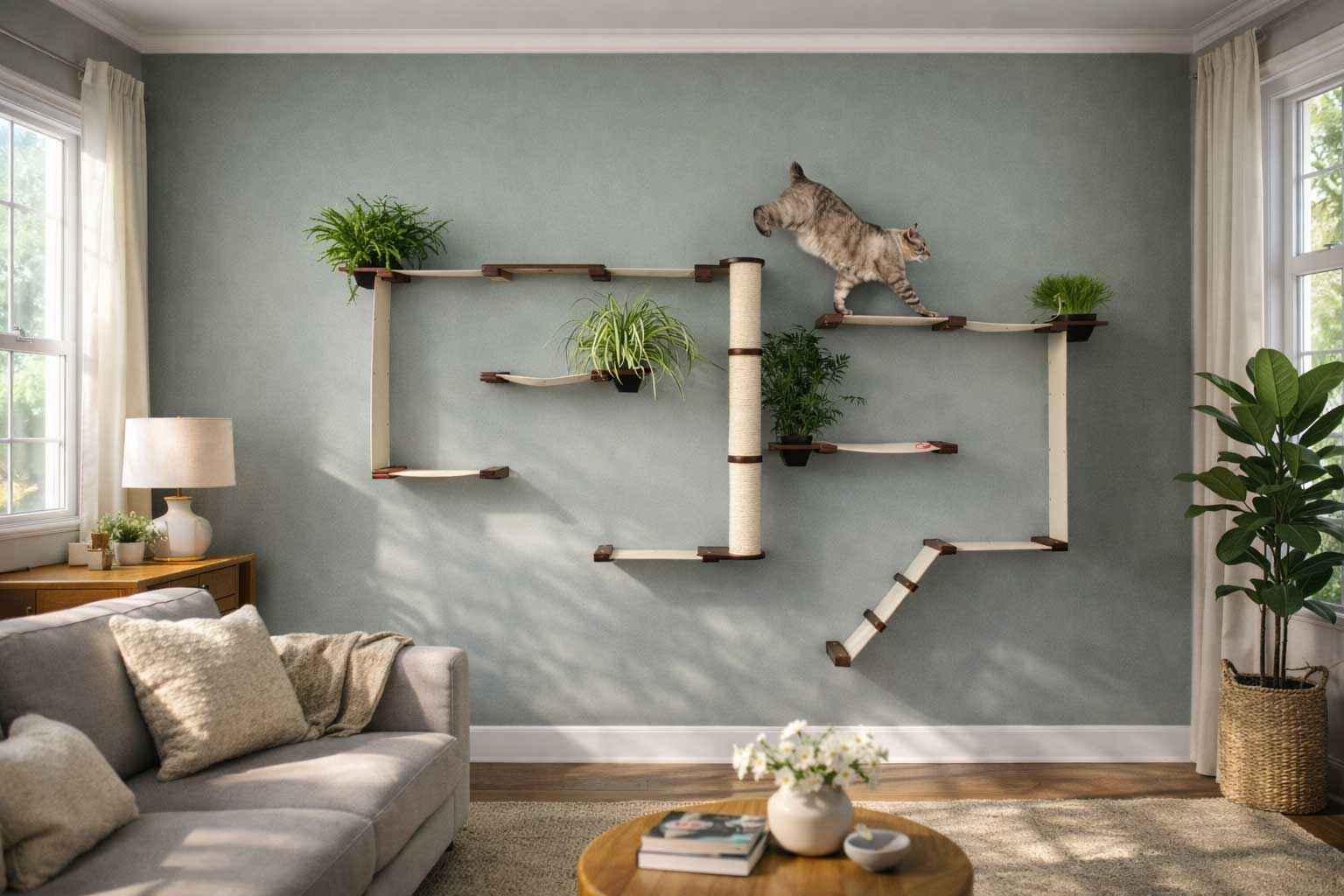
- Stagger shelves 30 to 45 cm vertically and 30 to 50 cm horizontally so each step is an easy, comfortable jump, a spacing standard confirmed by MyCityCat’s cat wall design guide.
- Keep bridges wide enough to allow two cats to pass without one backing off a ledge.
- Loop bridges back to another shelf instead of ending at a dead wall, which turns a corridor into an actual route.
- Anchor a tall tree or a ramp to the wall as the floor-to-wall transition, since a system with no low entry point shuts out kittens and older cats.
A rope bridge between two shelf columns effectively doubles the available routes through a room, which matters more than the shelves themselves once you have two or more cats sharing the same wall.
How Do You Stop Cats From Blocking Each Other’s Paths?
Walk your own home the way a cat does, at floor level, and check every exit point. Stand at each litter box and ask whether a cat could get boxed in there. Check the hallway between the food area and the living room for a single narrow passage where two cats would have to squeeze past each other.
Litter box math is simple: one box per cat plus one extra where space allows, and never tucked into a corner with only one way in or out. Spread the boxes across zones instead of lining them up in one utility room, since a single room with every box in it just becomes one more place cats can guard.
- Give food and water two separate, calm locations, not one bowl beside a rumbling dishwasher or washing machine.
- Place a second water station on the opposite side of the home from the first.
- Use furniture, shelving, or a plant stand to break a long sightline between two rooms.
- Avoid placing a favorite perch where it faces straight down a hallway at another cat’s favorite spot.
Persistent hiding or avoidance often points to underlying anxiety rather than dislike of a room, and long sightlines and narrow chokepoints are common triggers. Cutting a sightline in half solves more tension than most owners expect.
Which Furniture Pieces Actually Work for Two or More Cats?
Not every cat tree built for one cat scales up to a household of three or four. Look for condos with two or more entry points rather than a single tunnel, since a one-door den just becomes contested territory. Several perches set at matching heights beat one tall perch every time, because matching heights remove the “king of the hill” dynamic entirely.
- Check the base width and stability before buying. A tree that wobbles when one cat jumps on will get used by exactly zero cats after the first bad landing.
- Anchor tall trees to the wall so they tie into an existing shelf system instead of standing alone in the middle of a room.
- Add a ramp next to any tree over about five feet tall for older or less agile cats.
- Choose non-slip platform surfaces, since a slick perch discourages the exact cats who need the retreat option most.
Pro Tip: Before buying anything, check the product listing’s own weight limit and mounting instructions. Don’t assume every cat tree handles every cat the same way, since bases and materials vary between makers. Read more on placement in Cat Furniture Placement.
What Do Sample Layouts Look Like Room by Room?
Real homes rarely match a diagram, but three basic templates cover most floor plans.
- Small apartment. Build one continuous climb route from a low shelf to a window perch, using compact bridges to keep the footprint tight. Put a second water bowl on the opposite side of the apartment, even if it’s just a hallway nook.
- One-bedroom home. Run two separate climbing columns in different rooms so cats aren’t forced to share one tower. Cluster resting spots in the bedroom for nighttime, and place a second litter box away from the kitchen, never sharing a wall with the food station.
- Multi-room or multi-level home. Put one litter box on each floor, use stair landings for vertical perches instead of wasting that space, and duplicate food and water on every level so no cat has to travel through another cat’s territory to eat.
Introduce new pieces gradually. Set up one shelf or one tree at a time and let cats explore it over a few days before adding the next piece, rather than rearranging the whole room in one afternoon. Sudden, total changes tend to spook shy cats into avoiding the new setup altogether. For apartment-specific ideas, see Best Cat Tree for Apartment Living.
How Should You Install and Maintain a Multi-Cat System?
Install in a fixed order: anchor the tree or ramp first, then the primary shelves, then bridges, then hammocks, and only then add the duplicate resources like the second water bowl. Building it backward tends to leave gaps a cat won’t cross.
Every shelf and bracket needs to hit a wall stud, not just drywall. Use rated brackets rated for the weight of an adult cat landing at speed, not just standing weight, and strap any freestanding tree over five feet tall to the wall.
- Check every fastener once a month, since vibration from daily jumps loosens screws faster than most owners expect.
- Rotate which perches get the softest bedding so no single spot wears out first.
- Scoop litter daily and watch for a cat suddenly avoiding a box, which is often the first visible sign something in the layout isn’t working.
- If avoidance, hiding, or a change in bathroom habits continues past a week or two, talk to a veterinarian rather than assuming it’s just the furniture.
Pro Tip: Keep the receipt and mounting hardware from any wall-anchored piece. If you rearrange the layout later, you’ll want the same brackets for reinstalling in a new spot.
Why Behavior-First Design Actually Matters Here
One cat furniture design approach builds the Five Zones Cat Room Setup around one idea: cats don’t need forced sharing, they need enough choices that sharing becomes optional. That’s the real difference between a decorative cat tree and one that actually lowers household tension. A well-designed cat furniture piece can look like real furniture and still solve the same problems a plain carpeted post solves, which is why curators seek both function and style at once.
— TheMeowPicks Team
Product Picks That Fit These Layout Roles
Once the zones are mapped out, the right furniture makes the plan real instead of theoretical. 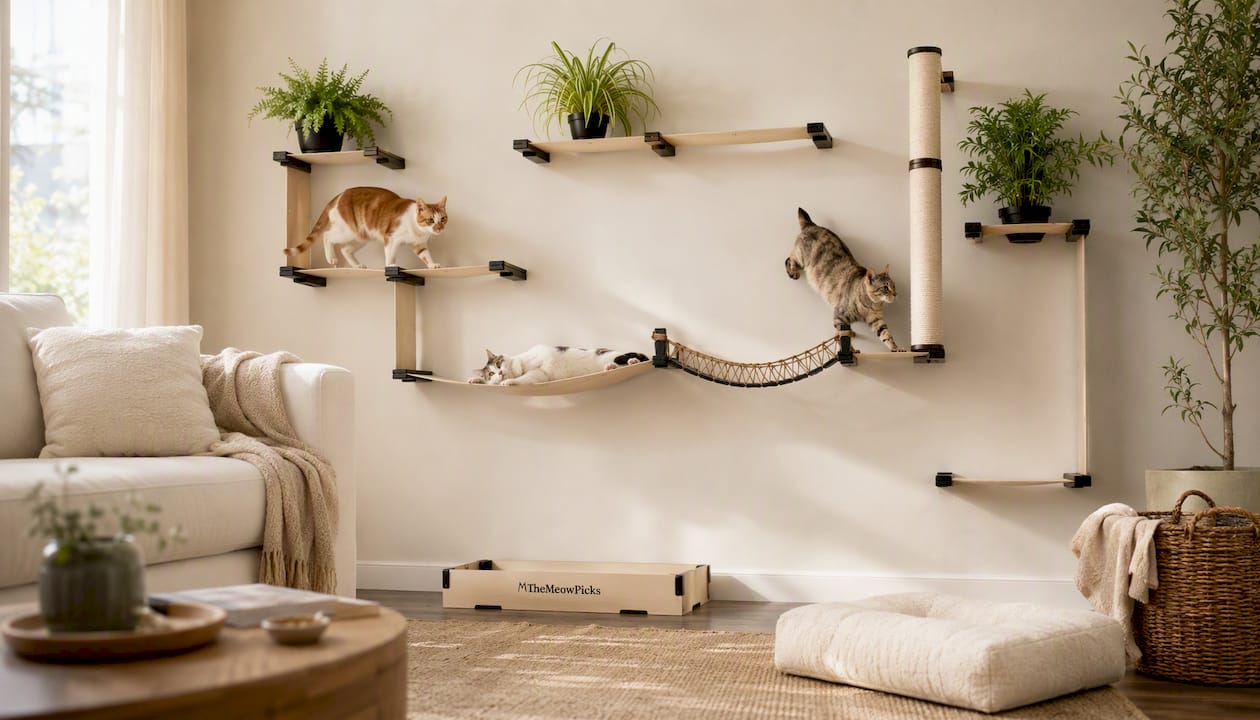
Some cat trees work as floor-to-wall transitions for less agile cats. A modern, plant-inspired design can provide a multi-level resting anchor that ties a floor zone into a mid-zone shelf system without looking like playground equipment in the living room. It can be paired with a staggered shelf run for an effective climbing route.
Certain wall-mounted giant cat trees function as a resting circuit at the top of a cat wall, providing a retreat layer for a nervous cat to watch the room from a safe distance. Mounting after primary shelves are secured and connecting to the rest of the system with a bridge at least 30 cm wide is recommended.
Some cat trees with multiple condos and perches at varied heights support the “same-height resting spots” rule that prevents one cat from guarding the whole tower, and are suitable for multi-cat households.
Browse the full range of furniture, technology, and lifestyle picks to build out the rest of your zones, and every order supports cat rescue organizations along the way.
Sources
For deeper reading on the behavior side, see Newsweek’s piece on hiding and stress triggers and PawfectCatCare’s room geography guidance. For build specifics, check MyCityCat’s cat wall simulation and our own Five Zones Cat Room Setup.
- Why cats hide: behavior, triggers, and when to worry, Newsweek
- Multi-Cat Peace Plan: Room Geography, Resources, and Calmer Shared Spaces, PawfectCatCare (2025)
- Build your cat wall simulation, MyCityCat
- Cat-friendly shelf design for a multi-cat room, CatTherapy
FAQ
How many litter boxes do I need for multiple cats?
One box per cat plus one extra where space allows is the standard rule, spread across different zones rather than lined up in one room. Avoid dead-end placement, since a cornered litter box discourages use and raises tension between cats sharing that space.
What’s the ideal shelf spacing for a cat wall?
Stagger shelves 30 to 45 cm vertically and 30 to 50 cm horizontally for a comfortable jump between levels. This spacing comes from MyCityCat’s cat wall design guidance and applies to most adult cats.
How wide should a cat bridge be?
A minimum width of 30 cm lets two cats pass each other without either one backing off the ledge. Narrower bridges tend to turn into single-file chokepoints instead of usable routes.
Which Meow Picks product works best for a multi-cat household?
The Canyon is built specifically for households with more than one cat, offering several condos and perches at matched heights. Pair it with The Gardens or The Temple depending on whether you need a floor anchor or a high-zone retreat.
Why does my cat avoid the new furniture I bought?
Avoidance often signals anxiety rather than dislike of the piece itself, especially if the new furniture sits along a long sightline or a busy hallway. Move it to a quieter zone and give it a week before judging whether it’s working.