Cat Scratching Door
Cat Scratching Door
You can stop a cat from scratching a door tonight by doing three things at once: don’t respond to the scratching, place an attractive scratcher right next to the door, and tire your cat out with a play session followed by a late meal before you close up for the night. Vet-reviewed guidance confirms that combining these three moves is more effective than any single fix on its own. Most cat owners notice real improvement within a couple of weeks when they stay consistent.
Three things to do right now, before bed:
- Press double-sided tape or aluminum foil along the bottom of the door frame where your cat targets
- Place a sisal or cardboard scratcher within one foot of the door on your cat’s side
- Run a 10–15 minute wand toy session, then offer a small meal, then close the door and do not open it again until morning
Expect the first few nights to feel worse, not better. That is normal, and the section on extinction bursts below explains exactly why.
Key Takeaways
Stopping a cat from scratching a door at night requires three things working together: removing the reinforcement, providing a better alternative right next to the door, and changing the evening routine so your cat is tired and fed before the door closes.
| Point | Details |
|---|---|
| Don’t reinforce the scratch | Never open the door or respond when scratching starts — one exception resets the behavior. |
| Place the scratcher next to the door | A scratcher across the room won’t redirect the behavior; proximity to the door is what makes it work. |
| Tire your cat before bed | A 10–15 minute play session followed by a small meal replicates the hunt-eat-sleep cycle and reduces nighttime energy. |
| Expect 1–2 weeks for improvement | Most cats show real change within a couple of weeks of consistent effort; an extinction burst in the first few nights is normal. |
| The Meow Picks picks that help | The Apawtment Cat House, Torre Cat Tower, and Perla Cat Cave each address a specific reason cats scratch at doors at night. |
Table of Contents
- Why does your cat scratch the door at night?
- Short-term deterrents you can apply tonight
- Make the door less interesting by giving your cat something better
- A night routine that actually reduces door scratching
- How long should you test each fix before changing course?
- When should you call a vet or animal behaviorist?
- The Meow Picks product picks that replace door-scratching
- Sources
Why does your cat scratch the door at night?
Understanding the “why” is what lets you pick the right fix. Door scratching is most often communication: your cat has learned that scratching produces a reliable result, whether that’s you opening the door or simply appearing. But the motivation behind the scratching shapes which solution will actually work.
The five most common causes:
- Access-seeking: Your cat wants to be on the other side of the door, usually where you are. Scratching tends to start within minutes of the door closing and is paired with meowing.
- Attention-seeking: Your cat is bored or lonely and has learned that scratching gets a response. This often happens in the early hours when the house is quiet.
- Crepuscular energy: Cats are naturally most active at dawn and dusk. A cat with unspent energy at 2 AM will find an outlet, and a closed door is a convenient target.
- Territory marking: Scratching serves multiple natural functions including claw maintenance, stretching, and leaving scent marks. A door frame at nose height is prime real estate for this.
- Medical or age-related causes: Older cats with cognitive dysfunction or hyperthyroidism can develop sudden or intensified nighttime vocalization and scratching. Pain from arthritis can also change sleep patterns.
Quick diagnostic checklist:
- Does it start immediately after you close the door? Likely access-seeking.
- Does it happen at 3–5 AM regardless of when you went to bed? Likely crepuscular energy or boredom.
- Is it a new behavior in a cat over 10 years old? Consider a vet visit first.
- Did it start after a new pet or person joined the household? Stress or territory marking.
- Is it paired with changes in appetite, litter box use, or grooming? Possible medical cause.
Scratching concentrated in one spot can also indicate resource guarding or stress. Setting up a phone camera to record overnight gives you a clearer picture of timing and intensity before you commit to a strategy.
Short-term deterrents you can apply tonight
These fixes won’t solve the root cause, but they protect your door and buy you time while you work on the longer-term plan. Think of them as a temporary barrier while you build better habits.
What works and how to use it:
- Double-sided tape (Sticky Paws): Apply strips along the lower door frame and the door face itself. Cats dislike the sticky texture on their paws. Replace every few days as it loses tack.
- Aluminum foil: Press sheets flat against the door surface. The sound and texture are off-putting to most cats. Not the most attractive option, but effective for a night or two.
- Clear plastic door guards: Wide adhesive panels that protect paint and finish while behavioral work continues. These are the most durable option and the least visible.
- Motion-activated air puffers (like PetSafe SSSCAT): A small canister that releases a harmless puff of air when your cat approaches. Place it in front of the door before bed. Most cats avoid the area after one or two encounters.
- Feliway Classic diffuser: Plug it in near the door. The synthetic feline facial pheromone can reduce anxiety-driven scratching, though it works best as part of a broader plan rather than a standalone fix.
What to avoid:
- Yelling or physically moving your cat away from the door. Any response, even a negative one, can reinforce attention-seeking behavior.
- Citrus or eucalyptus essential oil sprays near the door. These are toxic to cats and should never be used as deterrents, regardless of what you read elsewhere.
- Pepper-based sprays or anything that could irritate eyes or airways.
Pro Tip: Before applying any adhesive product to your door, test a small corner first. Some tapes pull paint when removed. Clear plastic guards with repositionable adhesive are the safest choice for painted doors.
Make the door less interesting by giving your cat something better
Deterrents push your cat away from the door. Scratchers and vertical space pull them toward something more satisfying. You need both working together.
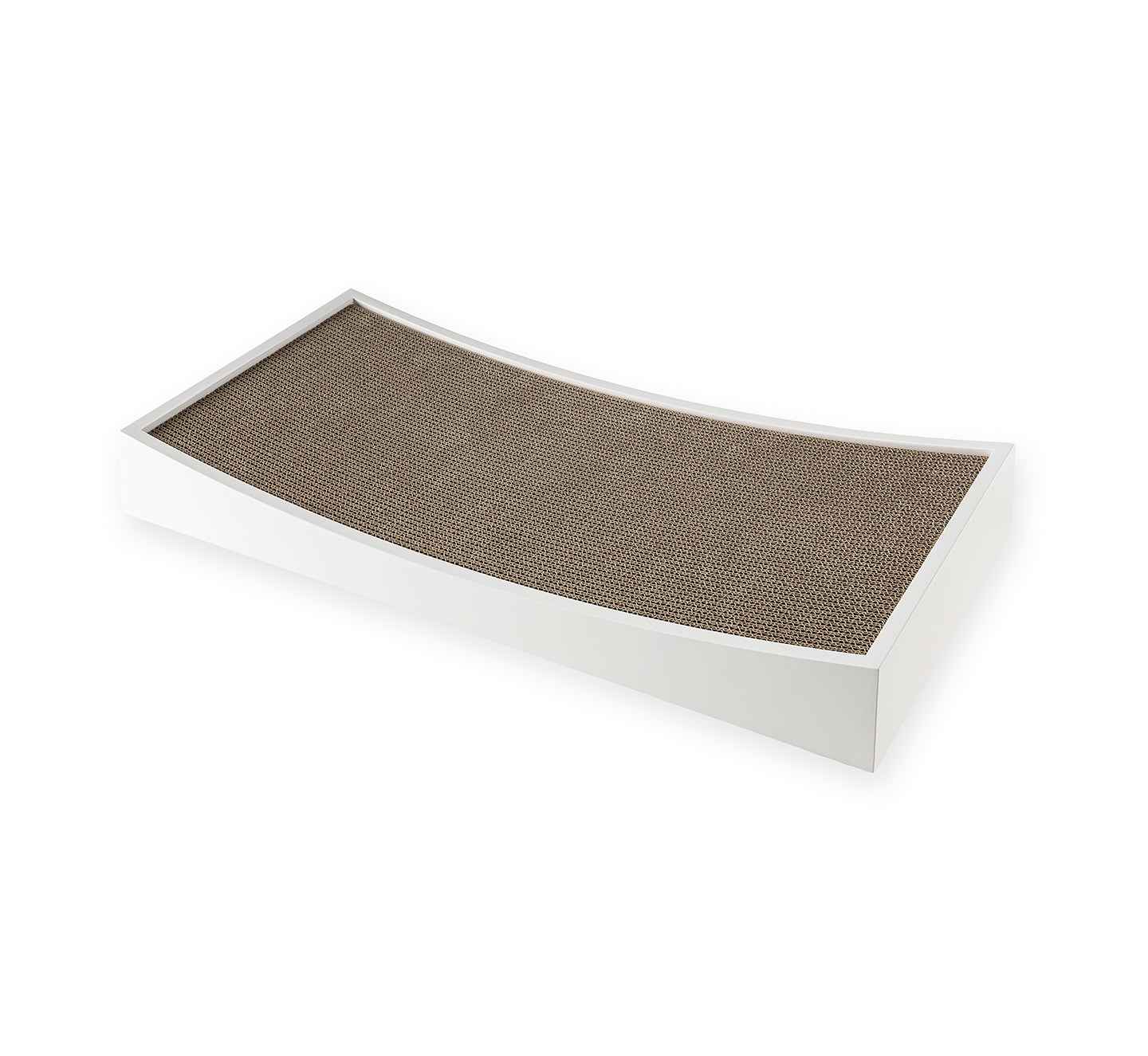
Cats have strong preferences when it comes to scratch surfaces. Most prefer sisal rope or sisal fabric for vertical scratching because it shreds satisfyingly and holds scent well. For horizontal scratching, corrugated cardboard is the top choice. Angled pads that sit at roughly 30–45 degrees work well for cats who like to lean into a stretch. You can read more about the differences in The Meow Picks’ guide to angled scratchers if you want to match the style to your cat’s habits.
Placement is everything. Put the scratcher directly next to the door your cat targets, on your cat’s side. The goal is to make the scratcher the most convenient option in that spot. If you place it across the room, your cat will still choose the door. Height matters too: position vertical posts so the top is at least at your cat’s full stretched height, which for most cats is around 28–32 inches.
Scratcher types and when each works best:
- Vertical sisal post: Best for cats who scratch door frames in an upright position. The Zip Scratching Post is a compact option that fits neatly beside a door without taking up much floor space.
- Horizontal cardboard pad: Best for cats who scratch the floor in front of the door or prefer a low angle. The Modern Cat Scratching Post offers a flat surface that satisfies this preference.
- Wall-mounted scratcher: Ideal for tight hallways where floor space is limited. Mounts at the height your cat targets.
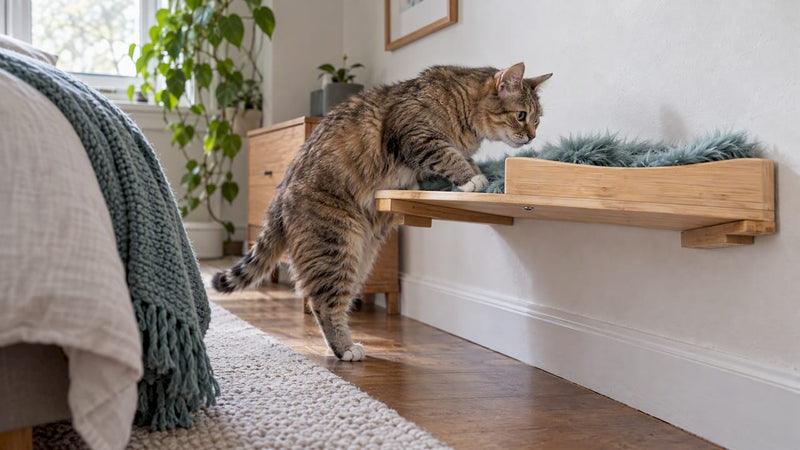
Beyond scratchers, vertical space near the door gives your cat a reason to be near the door without scratching it. A wall-mounted perch or cat shelf at window height lets your cat observe the space, which addresses the territorial and access-seeking motivations at once. The Modern Cat Perch from The Meow Picks mounts cleanly to a wall and gives your cat a high vantage point that a closed door simply can’t compete with.
Pro Tip: Sprinkle a small amount of catnip or spray catnip spray on a new scratcher for the first three or four uses. This draws your cat to the surface before they’ve formed a habit with it. Once they’ve scratched it a few times, the scent marking takes over and the catnip becomes unnecessary.
A night routine that actually reduces door scratching
The single most effective long-term fix is changing what happens in the hour before you close the bedroom door. Nighttime scratching often aligns with cats’ crepuscular rhythm, and a cat with unspent energy at midnight will find a way to spend it. Your job is to make sure that energy is already gone before you go to bed.
The evening routine, step by step:
- Play hard, 30–60 minutes before bed. Use a wand toy or feather teaser for 10–15 minutes of active chasing. The goal is genuine physical exertion, not a casual swat at a toy.
- Feed a small meal immediately after play. This mimics the hunt-eat-groom-sleep cycle. A tired, full cat is far less likely to scratch at your door at 2 AM.
- Set up your cat’s sleeping area away from the bedroom door. Place a cozy bed, the Perla Cat Cave, or a familiar blanket in a spot your cat already likes. Add a worn T-shirt for your scent.
- Close the door calmly and without ceremony. No long goodbyes, no petting at the threshold. A neutral departure reduces the emotional charge of the separation.
- Do not open the door if scratching starts. This is the hardest step, and the most important one.
The ignore-with-consistency technique works because scratching is a learned behavior. When you stop responding, the behavior loses its function. The catch is the extinction burst: when you first stop responding, the scratching will likely get louder and more persistent for several nights before it fades. This is not failure. It is the behavior peaking before it extinguishes. Stay consistent through it.
Clicker and reward training:
- When your cat approaches the scratcher near the door and uses it, click (or use a verbal marker like “yes”) and immediately offer a small treat.
- If your cat sits calmly near the closed door without scratching, mark and reward that too.
- Never reward scratching by opening the door, even once. One exception undoes several nights of progress.
For multi-cat households: Run the play and feeding routine with each cat separately if they compete for resources. Make sure every cat has its own scratcher near the door and its own sleeping spot. Cats in multi-cat homes sometimes scratch doors to signal social tension, so watch for signs of conflict during the day.
How long should you test each fix before changing course?
Behavior change in cats takes longer than most owners expect, and switching strategies too quickly is one of the most common mistakes. Here is a structured plan that gives each intervention enough time to show results.
7–21 day testing plan:
- Nights 1–3: Apply deterrents (tape, foil, or plastic guard) and place the scratcher next to the door. Start the evening play-and-feed routine. Do not respond to scratching.
- Week 1 (nights 4–7): Keep deterrents in place. Add the pheromone diffuser if scratching is anxiety-driven. Maintain the routine every night without exception.
- Week 2: Introduce vertical space (perch or wall shelf) near the door. Evaluate whether the scratcher is being used. If not, try a different texture or height.
- Week 3: If scratching has reduced but not stopped, assess whether the evening routine needs to start earlier or the play session needs to be longer.
How to run one variable at a time: Change only one element per week. If you add a scratcher, a diffuser, and a new feeding time all at once, you won’t know which one worked. Isolating variables is what turns guesswork into a real plan.
Simple log to track progress:
- Date and time of scratching
- What happened in the two hours before bed
- Which deterrents were in place
- Duration and intensity of the scratching
- Whether you responded (and how)
A combined approach of deterrents, alternative surfaces, enrichment, and routine adjustment gives most cats enough to work with. If you see no change after three full weeks of consistent effort, that is a signal to look deeper.
When should you call a vet or animal behaviorist?
Most door scratching is behavioral and responds to the strategies above. But some cases need professional eyes.
Red flags that warrant a vet visit:
- Scratching started suddenly in a cat that never did it before, especially in a cat over 8 years old
- Scratching is paired with increased vocalization, disorientation, or changes in appetite
- You notice changes in litter box use, weight, or grooming alongside the new behavior
- Your cat’s paws show redness, swelling, or broken skin from scratching
- The behavior is getting more intense over weeks despite consistent intervention
What to bring to the vet:
- A short video of the scratching (overnight phone recording works well)
- Your behavior log from the trial period
- A note on any recent household changes (new pet, new person, moved furniture, schedule shift)
- Current vaccination and medical history
A general vet can rule out medical causes like hyperthyroidism, pain, or cognitive dysfunction syndrome in older cats. If the vet clears your cat medically, a certified applied animal behaviorist (CAAB) or a veterinary behaviorist (Diplomate ACVB) is the right next step for persistent anxiety-driven scratching. A CAAB works with you on a tailored behavior modification plan, which typically involves several sessions and a written protocol you follow at home.
The Meow Picks product picks that replace door-scratching
The right product placed in the right spot can make the behavioral work significantly easier. These three pieces from The Meow Picks address the specific needs that drive cats to scratch at doors.
Apawtment Cat House
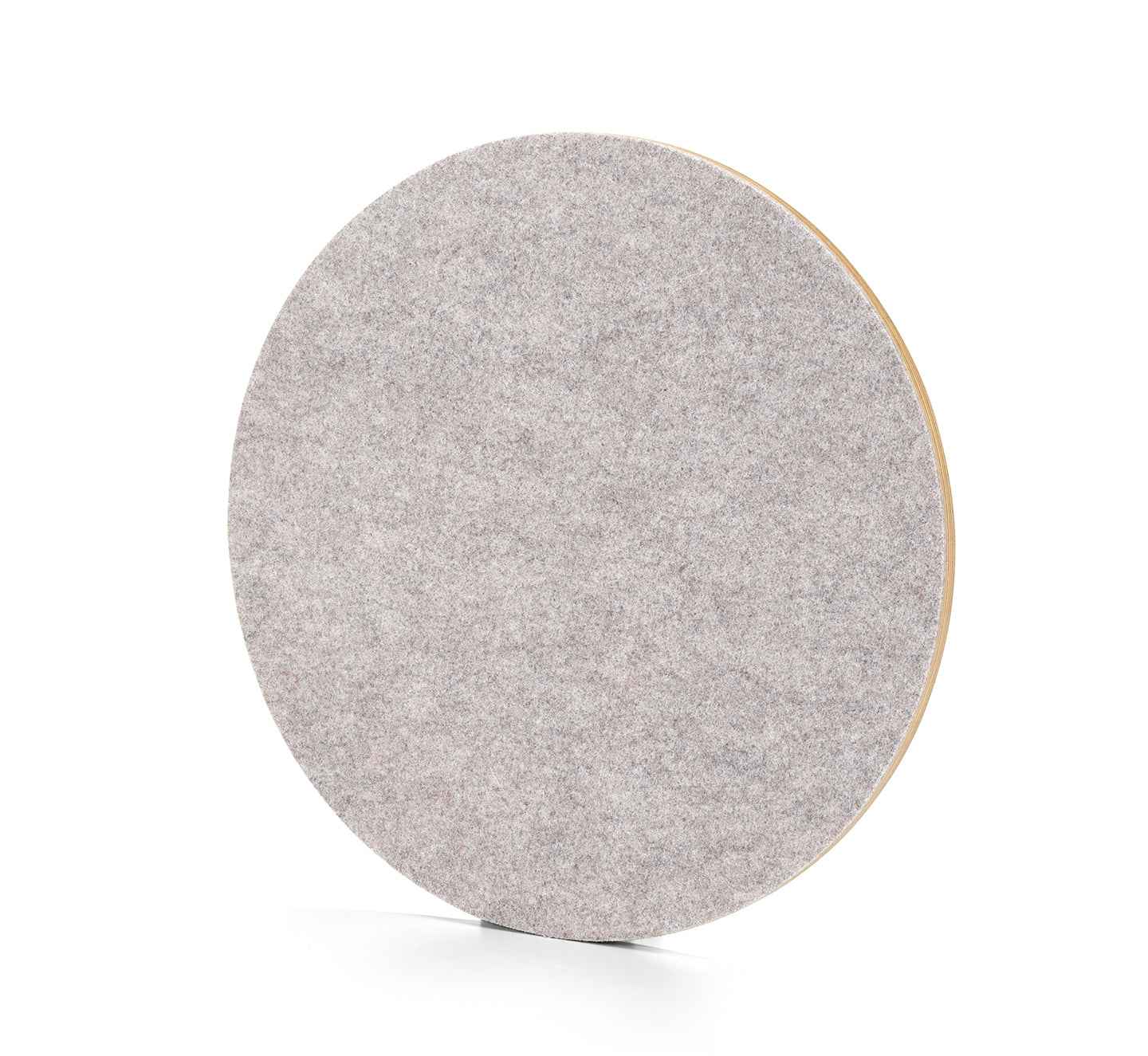
The Apawtment Cat House is a fully enclosed, architecturally designed cat house that gives your cat a private, secure space near your bedroom door. When a cat scratches to seek proximity or a safe resting spot, an enclosed house placed just outside the bedroom satisfies both needs without requiring you to open the door. Position it within three feet of the door, add a worn item of your clothing inside, and your cat has a “room” of its own. Many cats shift their nighttime routine to the house within a week of placement.
Torre Cat Tower
The Torre Cat Tower is a tall, stable climbing tower that replaces the vertical access and observation behavior that drives a lot of door-focused scratching. Cats that scratch door frames are often trying to get height or a clear sightline. The Torre gives them both, in a spot you choose. Place it near the door but angled toward a window if possible. The combination of height, stability, and a view is genuinely hard for a curious cat to ignore.
Perla Cat Cave
The Perla Cat Cave is a cozy, wool-felt cave bed designed for cats who want to feel enclosed and secure while they sleep. When you close the bedroom door at night, a cat that previously slept near you needs an equally appealing alternative. The Perla’s enclosed shape mimics the security of sleeping close to a person. Set it up in a warm, low-traffic spot outside the bedroom before you start your new night routine, so your cat has already explored it before the door closes.
Additional picks worth considering:
- Itchie Cat Scratching Post: A designer vertical post that works well placed directly beside a door frame as a redirect surface.
- Modern Cat Wall Shelves (Maze): Three-tier wall-mounted shelves that create a vertical pathway near the door, giving your cat a reason to climb rather than scratch.
- Cat Cubby Wall Bed: An elevated, enclosed wall cubby that serves as a sleeping spot above floor level, away from the door threshold.
Pro Tip: Introduce new furniture before you start the new night routine, not at the same time. Give your cat two to three days to explore and scent-mark a new tower or cave before you close the bedroom door for the first time. Familiarity with the new space makes the transition much smoother.
Every purchase from The Meow Picks supports cat rescue organizations. The brand curates pieces from independent makers worldwide, so the products are genuinely different from what you’ll find at a big-box pet store.
What the Meow Picks team has learned from helping customers
The question we hear most often is some version of: “I tried everything and nothing worked.” When we dig into it, the answer is almost always the same. The owner tried several things at once, got an extinction burst on night three, assumed the approach had failed, and opened the door. That single moment resets the clock.
Consistency is genuinely harder than it sounds at 3 AM. We’ve seen customers go from weeks of disrupted sleep to a full night’s rest within ten days, simply by staying the course through the burst and making sure the scratcher was placed right next to the door rather than across the room. Material quality matters too. A wobbly scratcher that tips when a cat leans into it gets abandoned immediately. The products we carry are tested for stability and material safety precisely because a scratcher your cat actually uses is the only scratcher that works.
Ready to stop the scratching tonight?
The fastest path from disrupted sleep to a quiet night is having the right pieces in place before you close the door. The Meow Picks carries everything in this guide, from enclosed sleeping alternatives to designer scratchers built to last.
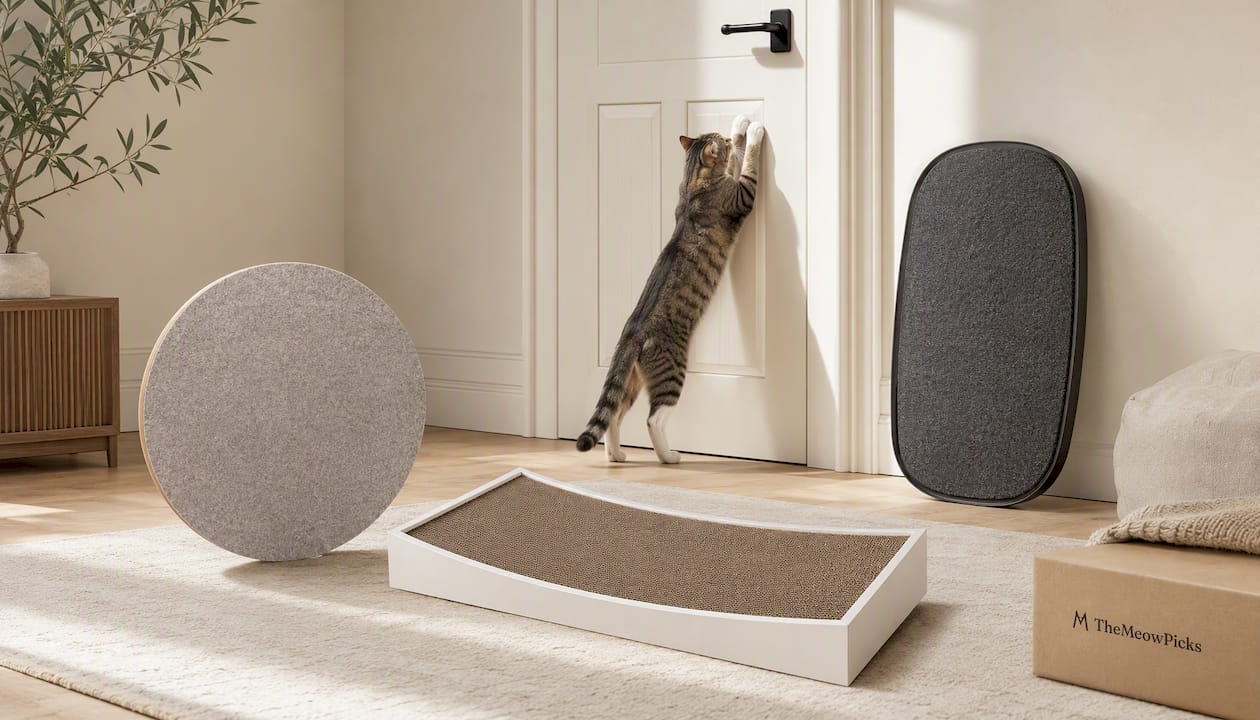
A practical starting point: pair the Torre Cat Tower with the Perla Cat Cave and a bottle of catnip spray. The tower handles the vertical access need, the cave gives your cat a secure sleeping spot outside the bedroom, and the catnip spray gets your cat using both immediately. Every order supports cat rescue. Browse the full collection at The Meow Picks and find the combination that fits your home.
Sources
These are the primary references used in this guide. Bring the relevant links to your vet or behaviorist if you need to discuss the behavior in more detail.
- How to Stop Cat From Scratching Door: The Complete Solution Guide - LoveitPets
- How to Stop a Cat from Scratching the Door: 11 Vet-Reviewed Tips | The Vet Desk
- How to Stop Your Cat from Scratching the Bedroom Door at Night - Catsily
- How to Stop Cats From Scratching Doors -10 Tips| SHEBA® UK
- Cat Scratches Walls? 4 Reasons Why and How To Stop It - Chewy
Use this list to prepare specific questions before a vet or behaviorist appointment — a log of your cat’s scratching pattern alongside these references gives your provider a much clearer starting point.