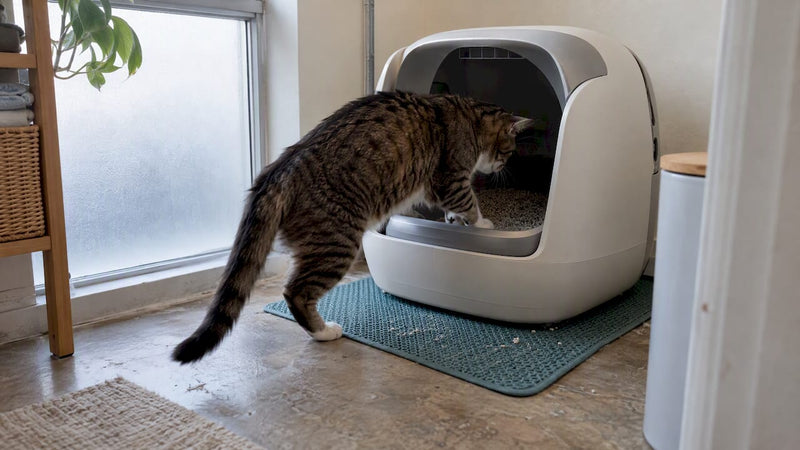
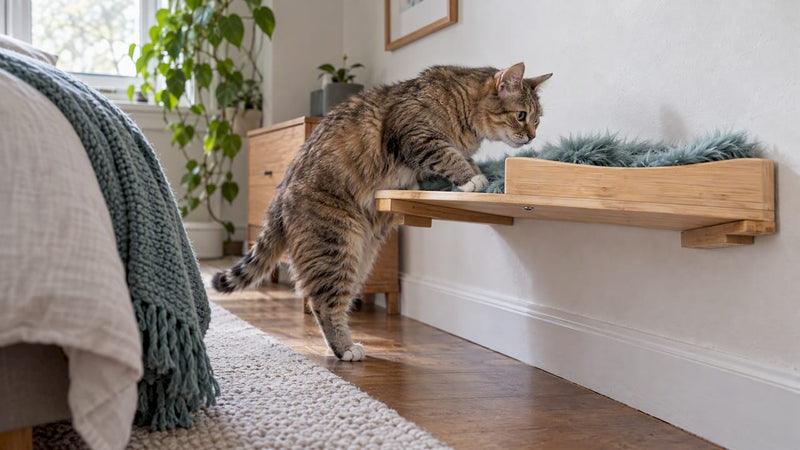
For most indoor cats, a ventilated bench wins because it keeps airflow open and gives a cat room to see and move freely, while a fully enclosed cabinet suits owners who care most about hiding the tray from view. The real decision point is not the label on the furniture: it is ventilation, interior size, and your cleaning routine. Cornell Feline Health Center and FelineVMA guidance both point the same direction, and curated products reflect those priorities.
TL;DR:
- Measure usable interior space with the pan installed; FelineVMA recommends about 1.5 times your cat’s nose to tail base length, plus room to turn.
- Provide one litter box per cat plus one extra, placed in different rooms or levels, away from food and water but always accessible.
- Scoop daily and wash the pan with mild soap every one to four weeks; avoid ammonia cleaners and scented litter that may deter cats.
- A cabinet needs genuine high and low vents or another source of continuous airflow, sealed wipeable surfaces, and a removable pan for routine cleaning.
- For senior or anxious cats, prioritize an open view and low entry; boxed in entrances can limit escape options and worsen stress.
Table of Contents
- Weighing the pros and cons of benches and cabinets
- Why enclosures trap odor and what actually fixes it
- What Cornell and FelineVMA say about comfort and sizing
- Where to put the box and how to keep it clean
- Pre-purchase checklist from our editorial team
- Matching the right choice to your priorities
- Pieces we’d actually put in a cat’s home
- FAQ
- Sources
Weighing the pros and cons of benches and cabinets
A bench typically has open or slatted sides, so air moves through it and your cat can see what is approaching. A cabinet closes the box inside a cupboard or piece of furniture, which hides the tray completely but can trap odor and limit a cat’s view of the room.
Benches tend to win on:
- Airflow, since open or slatted sides let smells dissipate instead of building up.
- Cat comfort, because an open structure keeps escape routes visible.
- Easier cleaning, with the pan usually reachable from more than one side.
Cabinets tend to win on:
- Concealment, since a closed door hides the litter tray from guests.
- Furniture integration, blending into a room as a side table or console.
- Floor space, when a single piece doubles as storage.
A single cat in a small apartment often does fine in a bench, since airflow and visibility matter more than full concealment. A multi-cat household usually needs more than one enclosure regardless of style, and a senior or anxious cat benefits most from the open view and low entry a bench provides. Before buying either style, check that the interior pan fits with room to turn around, and confirm the piece has real vents rather than only a decorative gap.
Why enclosures trap odor and what actually fixes it
Ammonia from urine builds up quickly in a sealed space, and a cabinet without real airflow concentrates that smell instead of letting it escape. The fix is not a stronger air freshener. It is a structural one.
What helps:
- Passive vents cut into the cabinet panels, placed high and low for cross flow.
- A small inline fan or a gap under the door for continuous air exchange.
- A carbon filter positioned near the vent, since it needs airflow past it to work.
- Sealed, wipeable surfaces instead of raw particle board, which absorbs odor over time and is hard to clean.
Pro Tip: Even a well-ventilated cabinet still needs a clean pan underneath, because filters manage smell, they don’t replace scooping.
Our litter box in closet guide covers filter and vent placement in more detail if you’re converting a closet into a litter station.
What Cornell and FelineVMA say about comfort and sizing
Cornell’s house-soiling guidance recommends an uncovered box with a 360-degree view whenever a cat seems stressed or at risk of ambush from another pet, since a hooded or boxed-in entry limits visibility and escape options.
The sizing rule that matters more than exterior dimensions: FelineVMA guidance calls for an interior about 1.5 times the cat’s nose-to-tail-base length, with low-entry access for kittens and older cats who struggle to climb over a tall threshold.

A cabinet that looks spacious from the outside can still leave insufficient turning room once the pan, a divider, and entry cutout are installed. Measure the usable interior floor space with the pan in place, not the cabinet’s outer footprint, before you commit to a piece.
Where to put the box and how to keep it clean
Placement affects acceptance as much as the furniture style and protective flooring suggestions do. FelineVMA recommends one box per cat plus one extra, spread across different rooms or levels, kept away from feeding areas, and positioned somewhere quiet but always accessible.
- Scoop waste daily, since this single habit controls odor more than any filter or vent.
- Change litter on a schedule that fits your household, swapping it out fully as needed.
- Wash the pan with mild soap every one to four weeks, avoiding ammonia-based cleaners that mimic the smell of urine.
- Choose unscented, fine clumping litter, since strong scents can make a cat avoid the box entirely.
Pro Tip: A pull-out pan or a hinged access door turns a two-minute scooping job into a thirty-second one, and that convenience is what actually keeps a daily routine going.
Design features matter here too. A removable lid, a side access door, or a drawer-style tray all make the difference between a cabinet you clean promptly and one you put off. Our odor control quick fixes guide walks through small adjustments that keep either style fresh between deeper cleans.
Pre-purchase checklist from our editorial team
The focus is on curated, well-made cat furniture chosen for whether a cat will actually use it, not just its appearance.
Before you buy a bench or a cabinet, run through this short list:
- Measure the interior turning room with a pan already inside, not just the outer dimensions.
- Confirm the pan is removable or slides out for cleaning access.
- Check for built-in vents, or plan where you’ll add a passive one.
- Look for sealed, wipeable interior surfaces rather than raw particle board.
Our litter box cabinet safety checks article goes deeper on fit and safety testing before purchase, and our kitten litter box sizing guide is useful if you’re furnishing for a small or young cat.
Matching the right choice to your priorities
If you care most about a clean, minimal look and don’t want to think about airflow, a well-ventilated cabinet with a removable pan can work, but it demands more attention to vents and cleaning than a bench does.

If you have multiple cats, prioritize more open bench-style access across several rooms over a single hidden cabinet, since competition over one enclosed box tends to increase stress and accidents. Our multi-cat furniture layout guide covers spacing multiple boxes to reduce that tension.
If your cat is older or anxious, choose the open view and low entry of a bench first, and treat concealment as a secondary goal. In every case, ventilation, interior size, and your actual cleaning habits decide whether the furniture works, not the category it falls into.
— TheMeowPicks Team
Pieces we’d actually put in a cat’s home
Here’s how we’d approach this with our own catalog. The Sito Cat Litter Box gives you a bench-style frame that keeps airflow open while still looking like a piece of furniture, which fits the Cornell guidance on visibility without sacrificing a finished look in your living room.

Pair it with the Sito Seating Cushion to turn the bench into a spot people actually sit on, so the litter furniture earns its floor space twice over. If concealment matters more in your space, the Cat Cubby for Wall shows how a wall-mounted, enclosed design can work when you still plan for interior room and regular cleaning.
- Sito Cat Litter Box: open bench frame, good airflow, easy pan access.
- Sito Seating Cushion: adds function to bench-style furniture.
- Cat Cubby for Wall: enclosed option for owners prioritizing concealment.
These pieces are curated with both function and cat comfort in mind, and a share of every order goes toward cat rescue. Browse our full litter box furniture collection to compare styles side by side before you decide.
FAQ
Why do vets not recommend closed litter boxes?
Veterinary behavior guidance from Cornell notes that covered boxes limit a cat’s view of its surroundings and reduce escape routes, which can increase stress for cats who feel at risk of ambush. An uncovered or open-style box gives a 360-degree view that many cats prefer.
Do cats like litter box cabinets?
Some cats adjust fine to a cabinet, especially one with good airflow and enough interior room to turn around. Others avoid a fully enclosed cabinet because it limits visibility and traps odor, so acceptance depends heavily on ventilation and interior size rather than the cabinet style itself.
Where is the most sanitary place to put a litter box?
The most sanitary placement is a quiet spot that’s always accessible, kept away from food and water, according to FelineVMA guidance. The general rule is one box per cat plus one extra, spread across different rooms rather than clustered in one place.
Do cats prefer enclosed or open litter boxes?
Many cats prefer an open or uncovered box because it offers a clear view of the room and multiple ways to exit, reducing ambush risk from other pets or people. An enclosed box can still work if it’s well ventilated and sized generously, but open designs tend to be the safer default choice.